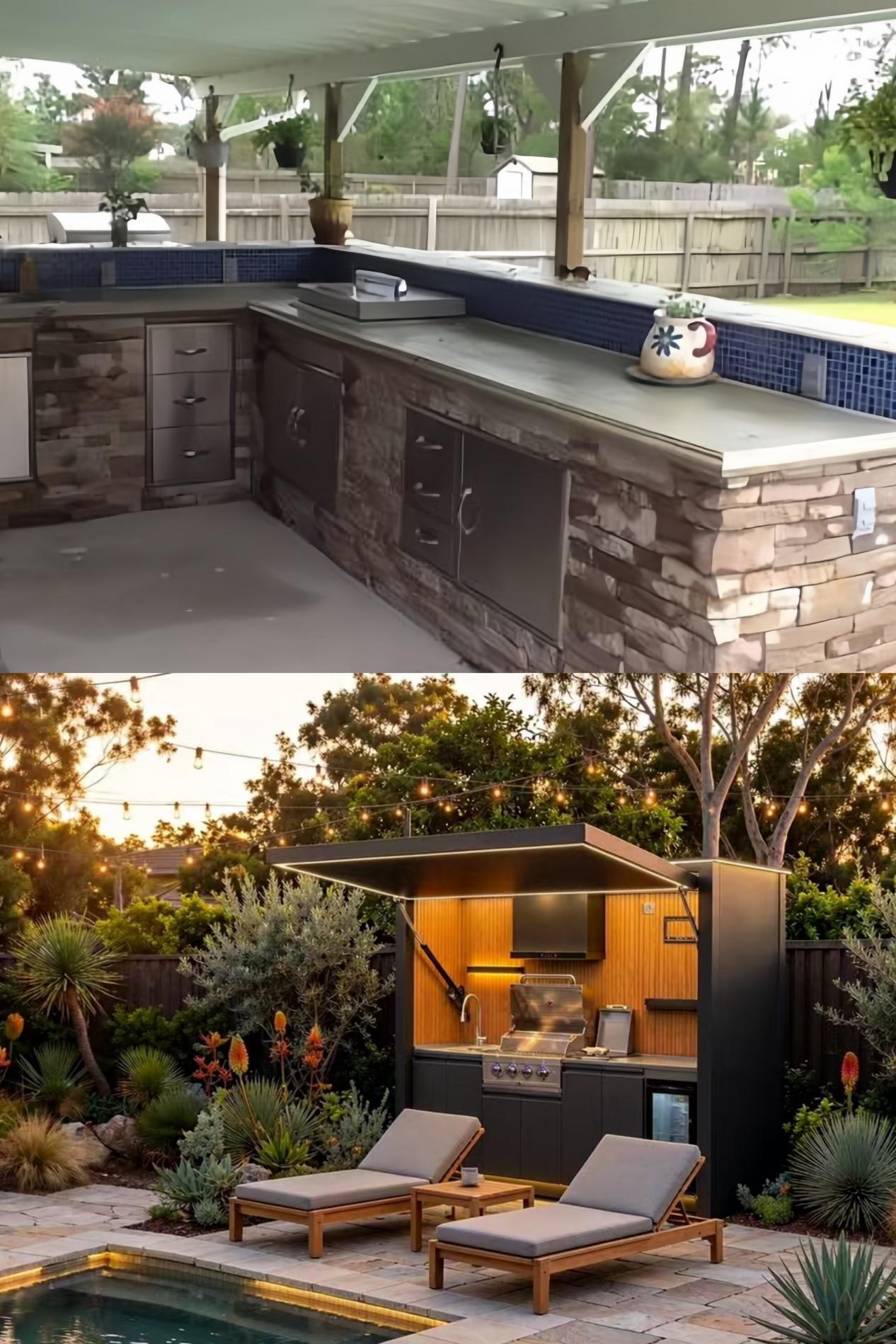
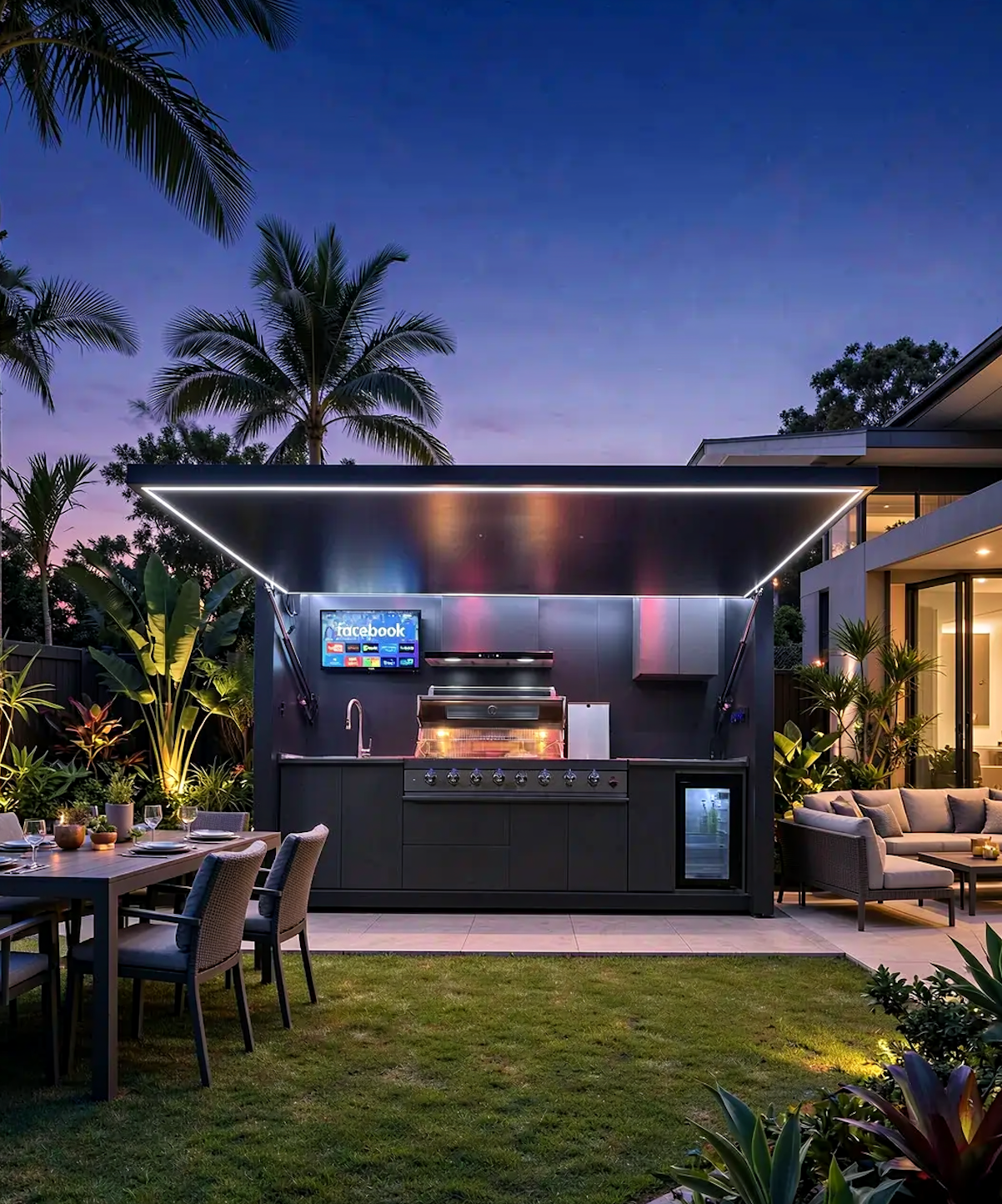
Aluminium, Stainless Steel and Timber for Outdoor Kitchens
Indoor cabinetry rests in conditioned, climate-controlled rooms. An outdoor kitchen, by comparison, must endure relentless cycles of intense summer UV radiation, sudden thermal downpours, freeze-thaw expansion, and airborne chlorides in coastal areas. The longevity of your outdoor living installation is not decided by its surface polish on day one, but by the elemental resilience of its core chassis material under decade-long exposure.
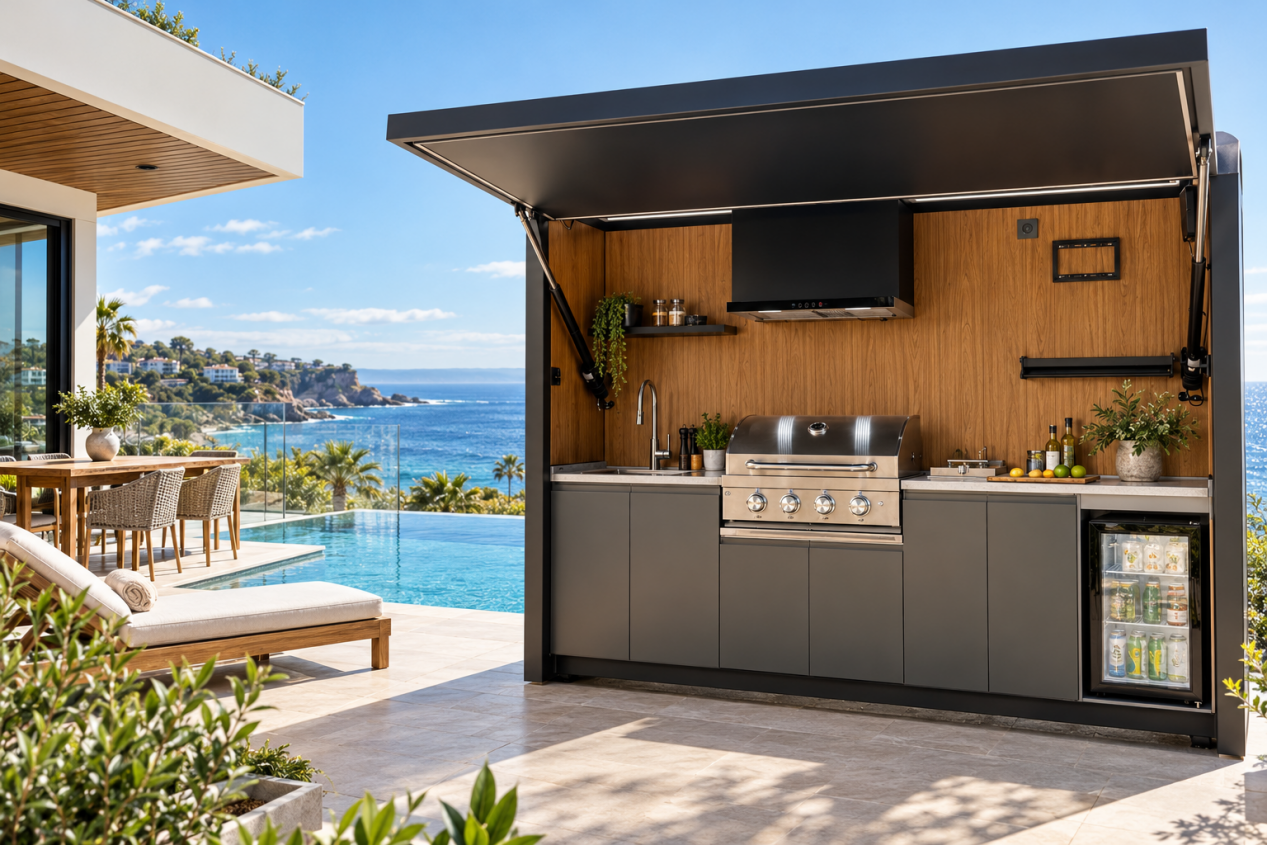
Structural Material Performance Comparison
| Performance Attribute | Structural Aluminum Chassis | 304 Stainless Steel | Pressure-Treated Wood Framing |
|---|---|---|---|
| Rust & Oxidation | Forms a protective oxide layer; alloy, coating condition and exposure affect corrosion performance. | Corrosion-resistant; deposits and coastal exposure can cause tea staining or localized pitting. | Performance depends on treatment, detailing and maintenance; moisture and termites need consideration. |
| Structural Weight | Generally lighter than steel; total pod weight also includes equipment and finishes. | Denser than aluminum; compare complete module weights. | Varies with timber species, section size and moisture content. |
| Combustibility | Non-combustible metal; coatings and surrounding components still need assessment. | Non-combustible metal; follow appliance clearance requirements. | Combustible framing; follow appliance requirements for separation and protection. |
| Tolerance Stability | Allow for thermal movement, joint design and operating conditions. | Allow for thermal movement and separation from appliance heat. | Can expand, shrink or distort with moisture changes; detailing and maintenance matter. |
The Myth of "Rust-Free" Stainless Steel
Stainless steel relies on a protective chromium-rich passive film. Salt, pool chemicals and persistent deposits can contribute to tea staining or localized corrosion, including on grade 304. Finish selection, exposure and regular cleaning all affect its outdoor performance.
Aluminum develops an oxide layer when exposed to air, which contributes to its corrosion resistance. The alloy, coatings, joints and cleaning routine still matter. A well-specified aluminum chassis can be a practical outdoor choice, with care suited to the setting.

Engineered Strength with Lower Deck Dead-Load
Masonry and steel construction can add substantial dead load to an outdoor kitchen. For a timber deck, balcony or roof terrace, establish the complete operating weight and have the supporting structure and load paths assessed by an appropriately qualified professional before deciding on placement.
An aluminum chassis can reduce frame weight relative to a comparable steel design. The complete kitchen still includes cabinetry, worktops and equipment, so compare verified unit weights and the site requirements for the selected model. Material choice alone does not establish whether an elevated structure can support the installation.